If you have ever dreamed of taking your dog on a cruise, you might have noticed that most cruise lines flatly refuse to accommodate pets. But there is one notable exception in the cruise world: Cunard Line. Their flagship Queen Mary 2 is one of the only cruise ships in the world with dedicated kennel facilities for dogs and cats.
We are going to walk you through everything you need to know about Cunard dog friendly cruises. From booking the kennel to what your dog will experience on board, we cover the details so you can decide if this unique travel option works for you and your furry friend.
Which Cunard Ships Are Dog Friendly?
Here is the key detail you need right away: only Queen Mary 2 accepts dogs and cats. Queen Elizabeth and Queen Victoria do not have kennel facilities, so pets are not permitted on those ships.
Queen Mary 2 is Cunard’s flagship ocean liner, designed specifically for transatlantic crossings between New York and Southampton, UK. The ship was built with pet travel in mind, and its kennel area has been part of the vessel since it launched in 2004.
The kennels are located on Deck 12, in a dedicated area with climate control, proper ventilation, and 24-hour staff supervision. This is not a makeshift arrangement. It is a purpose-built facility designed for safe, comfortable pet travel.
The Kennel Facilities on Queen Mary 2
The kennel area on Queen Mary 2 is surprisingly well-appointed. We have talked to owners who have traveled with their dogs, and most describe the facilities as clean, professional, and genuinely caring. Here is what you can expect:
Kennel Sizes: The ship has 12 kennels total, ranging in size to accommodate different breeds. Small dogs share a kennel area designed for smaller breeds, while larger dogs get appropriately sized cages. Each kennel has proper bedding, food and water bowls, and enough room for your dog to lie down comfortably.
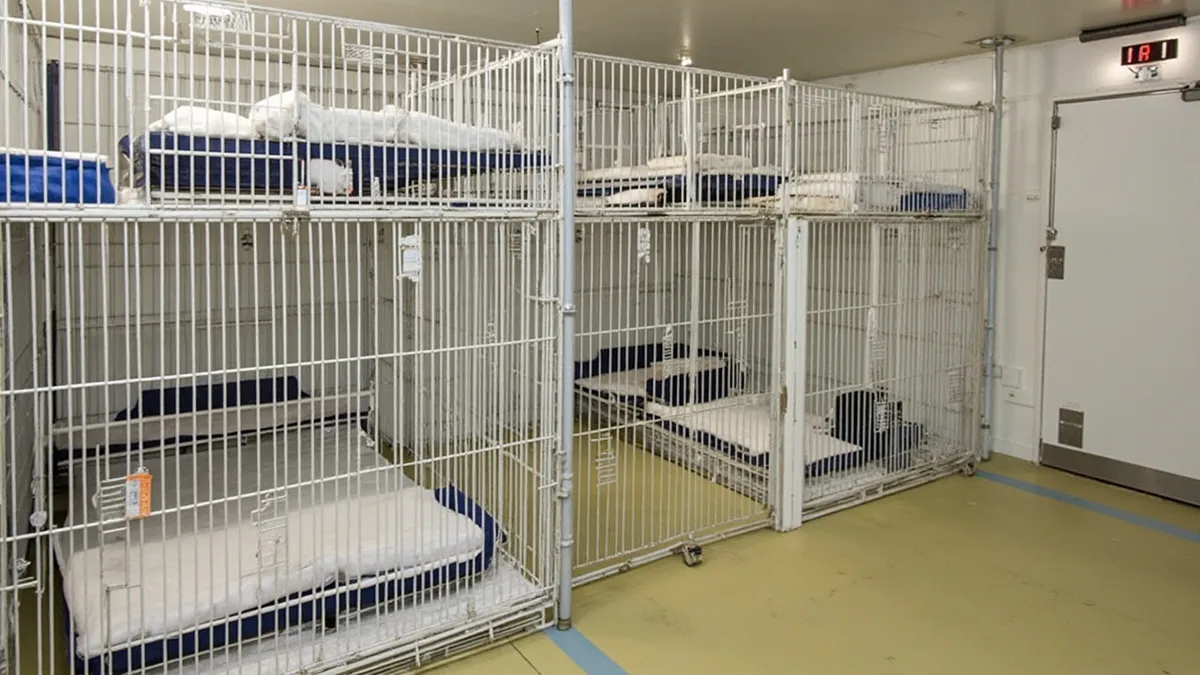
Climate Control: The kennel area maintains a comfortable temperature regardless of weather conditions outside. This is crucial for ocean crossings, where temperatures can vary significantly.
24-Hour Staffing: A dedicated kennel attendant monitors the pets around the clock. They feed your dog, clean the kennels, and make sure everyone stays comfortable. You cannot sleep in the kennel area, but the staff ensures your pet is cared for overnight.
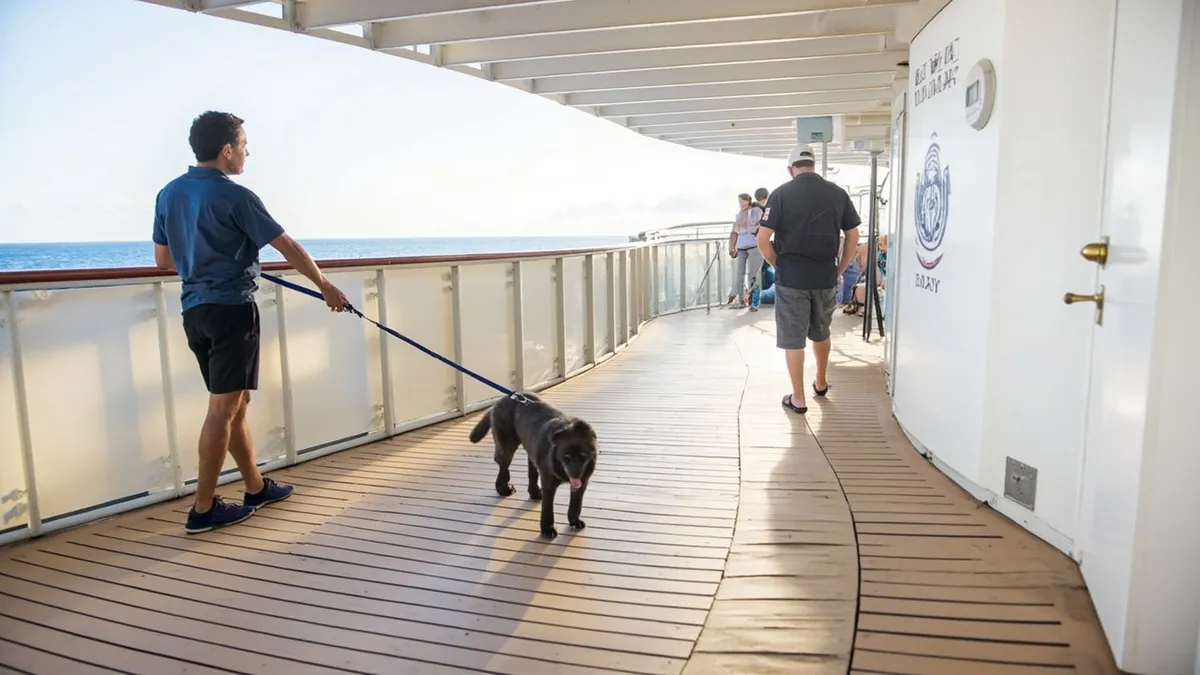
Walking Area: There is a designated outdoor deck area where you can walk your dog. This is not a huge space, but it is enough for your pet to stretch their legs, get some fresh air, and do their business. The walking area is separate from passenger areas, so you do not need to worry about crowded decks.
Booking the Kennel: How It Works
Getting a kennel spot is not as simple as adding a pet to your cabin booking. Here is the process:
Reserve Early: There are only 12 kennels on Queen Mary 2. For popular crossings, especially summer transatlantic routes, these spots book up months in advance. We recommend booking at least 4-6 months ahead if you want to bring your dog.
Contact Cunard Directly: You cannot book kennels through standard online booking. You need to call Cunard’s pet travel department or work with a travel agent who specializes in pet-friendly travel. They will walk you through the specific requirements for your voyage.
Pay the Kennel Fee: Expect to pay roughly 200-400 USD for the kennel, depending on voyage length and cabin class. This fee covers the kennel space, bedding, bowls, and staff care. It does not include your dog’s food (you typically provide that) or veterinary paperwork.
Submit Required Documents: You will need to provide proof of vaccinations, a health certificate from your veterinarian, and any country-specific entry paperwork for your destination. For U.S. to UK crossings, this means DEFRA documentation. Cunard’s pet department will give you the specific checklist for your route.
What Your Dog Experiences on Board
Let’s talk about what your dog actually goes through during the voyage. This is probably the part you care about most.
During the Day: You can visit your dog during designated visiting hours. These are typically spread throughout the day, giving you multiple opportunities to check on your pet, take them for a walk, and spend some time together. Many owners visit several times a day.
Feeding: You usually bring your own dog food, though some crossings offer to provide basic food. You coordinate with the kennel staff about feeding schedules and portions. If your dog has special dietary needs, make sure you pack enough food for the entire voyage.
Exercise: The walking deck gives your dog a chance to move around. For a transatlantic crossing (6-7 days), this daily exercise matters. Dogs that do not get enough activity can become restless or stressed. We recommend visiting during every available walking period.
Sleeping: Your dog sleeps in the kennel overnight, with staff nearby. You cannot stay with your pet overnight. Some dogs adjust fine to this arrangement. Others, especially anxious dogs or those used to sleeping in your bedroom, may find it stressful. Consider your dog’s temperament before booking.
Routes and Destinations
Queen Mary 2 primarily operates transatlantic crossings between New York (Brooklyn) and Southampton, UK. These are the voyages most commonly used for pet travel. The crossing takes about 6-7 days, giving your dog a week at sea.
Occasionally, Queen Mary 2 operates other routes, including cruises to Northern Europe, the Mediterranean, or the Caribbean. Pet accommodations may be available on some of these voyages, but availability varies. Always check with Cunard directly for the specific sailing you are considering.
For transatlantic crossings, remember that you are taking your dog into another country. The UK has specific pet entry requirements, including microchipping, rabies vaccination, and a pet passport or health certificate. The U.S. also has requirements for dogs returning from abroad. Make sure you understand both sets of rules.
Dogs vs. Service Animals
Cunard distinguishes between pets and certified service animals. Here is the difference:
Pets: Must stay in the kennels, cannot enter passenger cabins, and are limited to the designated pet area. Only Queen Mary 2 accommodates pets.
Service Animals: Certified service dogs with proper documentation can stay in your cabin and accompany you throughout the ship (except in dining rooms and certain restricted areas). This applies to all Cunard ships, not just Queen Mary 2.
If your dog is a certified service animal, you need to provide documentation at booking and follow Cunard’s service animal policies. This is a separate process from the kennel booking. Contact Cunard’s accessibility department for details.
Other Dog Friendly Cruise Options
While Cunard is the standout option for dogs, there are a few other cruise possibilities:
Freighter Cruises: Some cargo ships that carry a limited number of passengers allow pets. These are not luxury cruises. The facilities are basic, and schedules are determined by cargo delivery, not passenger preferences. But for travelers who want an unconventional experience with their dog, freighter travel is an option.
Private Yacht Charters: If you charter a private yacht or boat, you can bring your dog. This is obviously a different experience from a cruise ship, but it gives you full control over pet accommodations and itinerary.
River Cruises: Some European river cruise lines have started experimenting with pet-friendly options on specific sailings. Availability is limited and policies change frequently. Check with individual operators for current options.
For most travelers looking for a mainstream cruise experience with their dog, Queen Mary 2 remains the primary choice.
Tips for a Smooth Pet Cruise Experience
We have gathered advice from dog owners who have sailed on Queen Mary 2:
Prepare Your Dog for Kennel Life: If your dog has never spent time in a kennel or away from you overnight, practice before the cruise. Board your dog for a night or two to see how they handle separation. Dogs that panic in kennels may not enjoy a week at sea.
Pack Familiar Items: Bring your dog’s favorite blanket, toys, or bedding. Familiar smells help reduce anxiety. Even a shirt you have worn can provide comfort.
Visit Frequently: Use every visiting period. Dogs that see their owners multiple times a day adjust better than those who get infrequent visits.
Manage Food and Medications: Pack extra food and any medications your dog needs. Give the kennel staff clear instructions about feeding times, amounts, and medication schedules.
Handle Seasickness: Some dogs experience motion sickness. Talk to your veterinarian about options before the voyage. Mild cases can often be managed, but severe seasickness is miserable for your pet.
Plan for Post-Cruise: Arriving in a new country with a dog means customs checks, paperwork verification, and possible quarantine time (depending on destination). Know the process and have documents ready.
Is a Cunard Pet Cruise Right for You?
Bringing your dog on Queen Mary 2 is a unique experience, but it is not for every dog or every owner. Consider these factors:
Dog Temperament: Calm, adaptable dogs handle the kennel experience better than anxious, needy, or high-energy breeds. A dog that cannot relax without constant human contact may find the voyage stressful.
Your Schedule: You will spend significant time each day visiting and walking your dog. If you want to relax, enjoy ship amenities, and explore ports without daily pet responsibilities, this might not fit your travel style.
Cost: Kennel fees plus veterinary paperwork plus pet transportation add up. This is not a budget travel option.
Destination Requirements: International pet travel involves paperwork and rules. If you are not willing to navigate those requirements, reconsider.
On the other hand, if you love ocean travel, want to take your dog to the UK or Europe, and have a calm, adaptable pet, Cunard offers an experience you cannot find anywhere else in the cruise industry. For many dog owners, sailing across the Atlantic with their furry companion is worth the extra planning and cost.
We hope this guide helps you decide. If you have experience traveling with a dog on Queen Mary 2 or other cruise options, share your insights. We love hearing from fellow dog travelers.