Is bartelme dog friendly area in Chicago?
Yes. The bartelme dog friendly area exists within Bartelme Park in downtown Chicago, and many dog owners visit with their pets for a relaxed stroll or a quick outdoor break. In this space, dogs are expected to be on a leash and under your control. You’ll notice signs that indicate where leash rules apply and any time-bound or boundary-specific instructions. For planning, assume standard city park etiquette applies: clean up after your dog, keep voices and disturbances in check, and be mindful of other visitors, including kids and seniors.
DFA basics: location, hours, and governance
- Location: The Bartelme dog friendly area sits inside Bartelme Park in the Loop, a central downtown spot where locals and visitors mingle. The area is part of the park’s wider footprint, with clearly posted markers for dog-friendly zones.
- Hours: Park access follows the Chicago Park District schedule, which typically emphasizes daylight hours. Signs at the entrance will tell you if any dog-specific boundaries shift at certain times.
- Governance: Rules for Bartelme Park come from the Chicago Park District, with possible ward-specific notices. Always read the posted guidance on site, as it can change with city-wide events or seasonal adjustments.
Permits, documentation, and penalties
- Permits and documentation: You generally won’t need a separate permit to bring a dog to a public park, but you should have current vaccination records and a licensed dog if required by the city. If the park asks for proof, be ready to show it.
- Documentation to carry: Bring your dog’s rabies vaccination status and any city license information if you’re a resident. Having identification for your dog is smart, too.
- Penalties: Violations such as unleashed dogs, failing to follow posted signs, or neglecting cleanup rules can lead to fines or ejection from the area. Penalties vary by the specific rule and sign, so read what’s posted and act accordingly.
Next steps for you: bookmark the official Chicago Park District page for Bartelme Park, and check the dog policy right before you go. Pack a lightweight leash, a collapsible water bowl, bags for waste, and your dog’s vaccination card. If you’re unsure about any rule, ask staff or volunteers on site; they’ll point you to the exact boundaries and any seasonal changes.
Core rules: permits, vaccination requirements, and etiquette
Bartelme’s dog-friendly area works best when we treat it like a shared space with clear boundaries. In practice, you usually don’t need a separate permit to bring your dog into the DFA, but you should follow posted park rules and carry proof of your dog’s health status. Leashes, licenses, and courtesy remain the baseline.
DFA permit process and how to obtain it
If a permit is required, you’ll find the exact steps on the park’s signs or the Chicago Park District portal. In most cases, the emphasis is on the basics: your dog is leashed, under control, and you’ve got up-to-date documentation. Have your rabies vaccination card handy, plus whatever license information your city asks for. If online submission is an option, you’ll typically sign the form, upload scans of documents, and receive a confirmation email or on-site receipt. On busy days, staff or volunteers may verify the paperwork directly at the entrance, so keep everything accessible. If there’s any doubt, ask a staff member; they’ll point you to the right boundary and remind you of boundary shifts during events or seasonal changes.
Vaccination documentation and health expectations
Keep current vaccination documentation with you: rabies vaccination status is the baseline, and a city license is often required for residents. While the park itself isn’t a medical clinic, staff may ask to see proof if you’re in a special event area or if the signposted rules call for it. Having a digital copy on your phone helps when you’re traveling between dog zones or when you’re in a rush between play sessions. If your dog has just been vaccinated, plan for a short rest period after any clinic visit—think of it as a 15- to 30-minute window to monitor for any unusual reaction before you resume vigorous activity around other dogs. This approach isn’t a rule of the park, but it’s a good practice to keep your dog calm and comfortable.
On-site etiquette and leash transitions
Etiquette at Bartelme’s DFA centers on respect and control. Dogs stay on leash in the general area, with clear signage outlining any leash transitions or boundary-specific instructions. Keep voices down, avoid abrupt movements, and yield to kids and seniors who share the space. Bring waste bags and use them; well-maintained spaces improve everyone’s experience. If you’re greeting other dogs, do so calmly and with ample space—never press a dog into close contact if it’s showing stress. Finally, follow posted limits and do not crowd the designated dog zones; signs may also indicate multilingual guidance to help all visitors.
How to visit the bartelme dog friendly area: a step-by-step guide
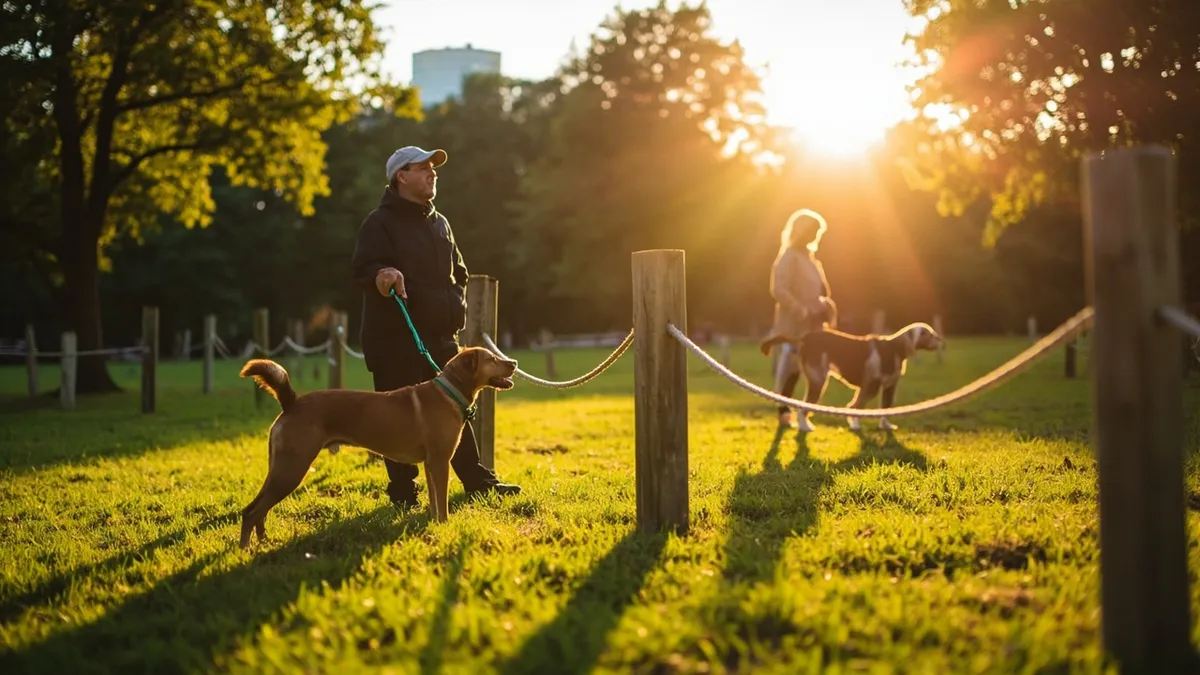
A smooth visit starts with a clear plan. Here’s a repeatable workflow you can follow every time you bring your dog to Bartelme DFA.
1) Verify eligibility and obtain quick confirmation
- Check posted signs at the park entrance for leash rules and any boundary shifts during events.
- Make sure your dog is up to date on vaccines and has a city license if required in your area.
- If you’re unsure about any rule, ask a staff member on site; they’ll point you to the exact boundary and any seasonal changes.
2) Packing list and arrival workflow
- Bring a lightweight leash, waste bags, a collapsible water bowl, and your dog’s ID tag and vaccination card.
- Have a small towel or mat if your dog needs a quick rest after a play session.
- On arrival, follow the signs to the dog-friendly zone. Enter with your dog on leash, keep noise level reasonable, and scan for any posted time limits.
3) On-site rules and behavior expectations
- Dogs must remain on leash in the general area; leash-free zones are not a default in Bartelme DFA.
- Keep other dogs and people in mind; avoid crowding, especially near kids and seniors.
- Do not feed dogs you don’t know, and monitor play for signs of stress or overexcitement.
- Beachball moments aside, always scoop and dispose of waste in designated bins.
4) Entry/exit etiquette and boundary awareness
- Enter through clearly marked entrances and respect any temporary boundary changes during events.
- When you’re ready to leave, gather belongings first, then guide your dog toward the exit so you don’t block foot traffic.
- If the park asks for a quick check of documents, have vaccination or license information ready in case a ranger stops by.
5) Post-visit cleanup and etiquette
- Pick up all waste and wipe down any gear you used, like collapsible bowls or towels.
- Replace anything you moved back to its place and leave the area as clean as you found it.
- If you saw something off or unsafe, report it to staff so the space remains welcoming for everyone.
Takeaway: prepare, follow the leash rules, respect others, and leave nothing behind. With this simple flow, you and your dog can enjoy Bartelme’s DFA quickly and calmly, every time.
Common mistakes and safety tips at the bartelme dog friendly area
A single misstep can derail a walk in Bartelme DFA. In a crowded urban park, staying alert and following simple rules keeps dogs safe and neighbors happy. We’ll break down the common slips, how to handle dog-to-dog interactions, and the waste practices that keep the space welcoming.
Frequent mistakes and how to avoid them
- Not enough supervision. People get distracted by phones or conversations and miss warning signals from their dog or others. Fix: designate one person as the lead watcher and do quick, regular scans every 60–90 seconds to check body language and proximity.
- Reading body language too late. A wagging tail isn’t always a green light; signs like stiff posture, tucked tail, whale eye, or closed mouth can signal tension. Fix: back off or create distance at the first ambiguous sign, and don’t push interactions.
- Approaching unfamiliar dogs without consent. Owners may have rules about greetings or distance. Fix: ask first, pause if either dog looks wary, and keep moving if there’s any hesitation.
- Ignoring leash rules during play escalation. Even in a DFA, leashes aren’t optional when tension rises. Fix: keep your dog on a short leash until play settles; if play becomes rough, call your dog back and redirect to a neutered activity or quiet space.
- Feeding or offering treats to others’ dogs. Food can trigger guarding or competition. Fix: never feed other dogs; keep your own treats tucked away and use praise or a toy for your dog instead.
- Crowding near vulnerable groups. Kids and seniors deserve space. Fix: give pedestrians a clear path and step aside to allow smooth passing, especially in narrow sections or near benches.
Safety tips for dog interactions and park etiquette
- Read the room before greeting. Look for tense posture, stiff tails, or raised hackles. If you’re unsure, keep your distance and proceed slowly.
- Use controlled greetings. If both owners agree to a sniff, keep it brief (5–10 seconds) and move on if either dog loosens up or shows stress.
- Practice solid recall. A reliable “come” or “place” cue helps you regain control quickly when crowds tighten.
- Pass with care. When dogs walk side by side, shorten the leash and give extra space to passing dogs and their handlers.
- When in doubt, seek staff guidance. Follow posted rules and report hazards or aggressive behavior to park personnel.
Waste management and cleanliness best practices
- Carry bag supplies and scoop promptly. Tie bags and place them in designated bins; don’t leave bags on the ground or on benches.
- Bring a spare bag for towels or gear. Clean collapsible bowls after use and store them dry.
- Clean space after use. Wipe down any shared gear if you used it, then return it to its place.
- Don’t overlook small messes. A quick pickup prevents trip hazards and keeps the park welcoming for everyone.
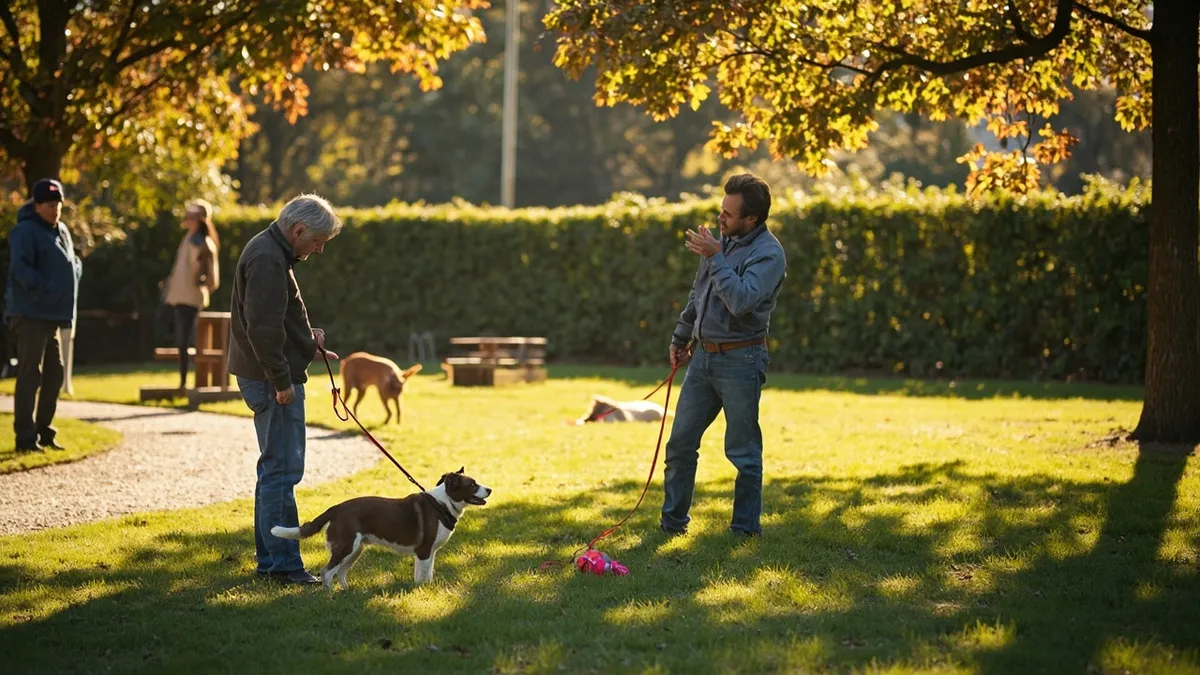
FAQ about bartelme dog friendly area
Is the Bartelme DFA located in Chicago and what are its hours? Bartelme DFA sits inside Bartelme Park in the Loop, right in downtown Chicago. The space follows the Chicago Park District schedule, so you’re generally allowed during daylight hours. Signs at the entrance tell you if any dog-specific boundaries shift for events or seasonal changes. If you arrive after dark, expect the area to be closed or restricted. For exact times, check the posted guidance on site and the district’s official page before you go.
How does the DFA permit work and what documents are needed? In most cases you won’t need a separate permit to bring a dog into the DFA. The key is to follow posted park rules and carry proof of your dog’s health status. Have your rabies vaccination card handy and, if your city requires it, your dog’s license. If the park district or a special event requires online submission, you’ll complete the form, upload scans of documents, and keep the confirmation handy. During busy periods, staff may verify documents on site at the entrance, so keep everything accessible. If you’re unsure, ask a staff member right there; they’ll point you to the exact proof you need and any boundary updates.
How many dogs can I bring and what penalties apply for rule violations? The posted rules on site determine any per-handler dog limit and the specifics can vary by event or season. In general, you’ll be told how many dogs you may bring and what constitutes a valid group. Penalties for breaking rules include fines or ejection from the dog-friendly area. Unleashed dogs, ignoring posted signs, or failing to clean up after your dog are the most common violations. Always scoop every time and keep your dog close when near others to avoid triggering penalties.
Where can I find official resources and updates? Bookmark the official Chicago Park District page for Bartelme Park and keep an eye on posted notices at the park entrance. The district’s site and social channels provide updates about hours, boundary changes, and any events that affect the DFA. Local park staff and volunteers on site are also reliable sources for current guidance. If you plan a visit, it’s worth a quick check-in to confirm nothing has shifted since your last trip.
Related Articles
- Dog friendly hotels in Morro Bay: A practical guide for traveling with your dog
- Expedia dog friendly hotels: The ultimate guide to booking pet-friendly stays
- Mammoth dog friendly hotels: where to stay with your dog in Mammoth Lakes, CA
- Valdosta dog friendly hotels: Where to stay with your dog and avoid surprise fees