H2: Understanding Pensacola’s Dog-Friendly Beach Landscape
We’ve found Pensacola’s dog-friendly setup to be pretty straightforward once you know where to look. The key is separating designated dog beaches from the general shoreline, and then understanding the leash expectations and the signage you’ll see along the way. In our experience, the official rules are clear, but they do change with seasons, so a quick check before you head out saves a lot of hassle.
Pensacola Beach clearly marks its designated dog zones. Dogs are welcome at the designated dog beaches located at parking lots 21.5 and 28.5 only. Think of these as the “official dog sand zones” where pets can roam more freely, while the rest of the beach remains open to everyone under leash rules. The Dog Beach Hours are sunrise to sunset daily, except during turtle nesting season or other seasonal protections. We’ve learned to plan around those windows, especially if we’re aiming for a long afternoon at the water with nose-to-sand exploration.
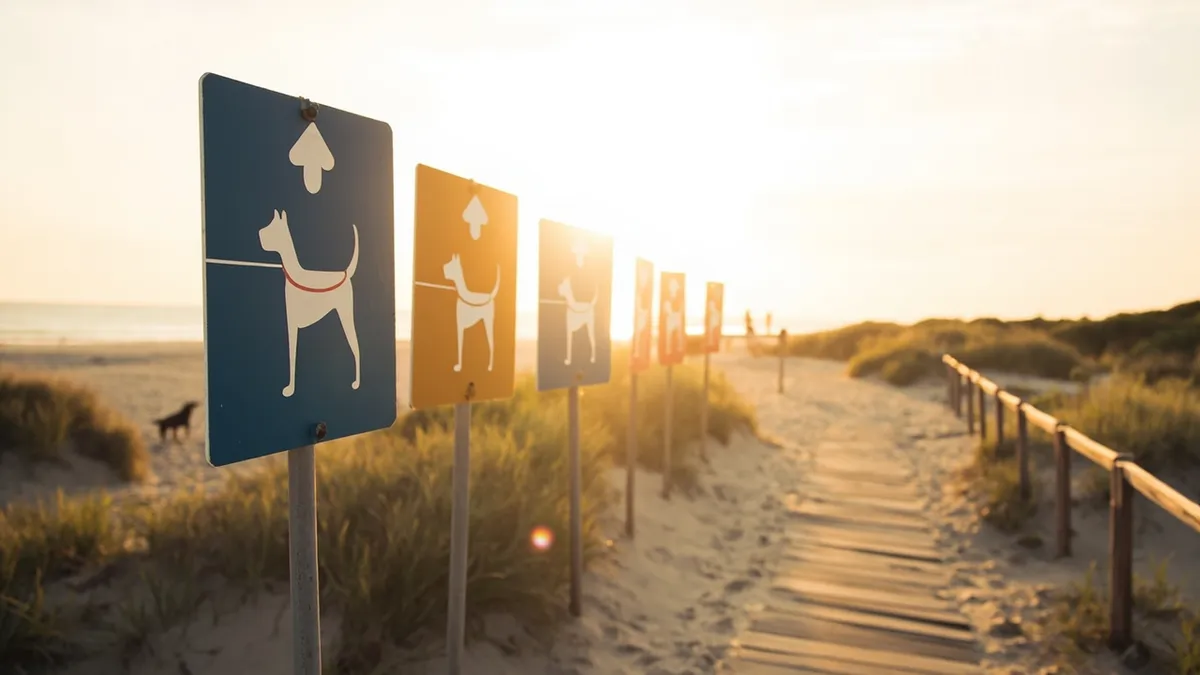
Beyond these zones, you’ll still see many dogs on the wider Pensacola Beach, but with leash requirements that vary by exact location and signage. Reading the posted rules at each access point is crucial; the signs will tell you whether a leash is required, if dogs are allowed on certain walkovers, and whether there are any seasonal closures. We’ve found that the signage is usually straightforward, but a quick scan on arrival helps you avoid a misstep with park staff or other beachgoers.
H3: Pensacola Beach West Dog Park and other designated zones
The most reliable dog-friendly pockets on Pensacola Beach are the West Dog Park area and its related designated zones. Pensacola Beach West Dog Park is a popular reference for our trips, with the West location listed as Lot B and beach access via the walkover near 21E. There’s also the East designation in Lot E with walkover 28B, situated along Pensacola Beach between Fort Pickens to the west and Navarre Beach to the east. These locations are specifically noted as dog-friendly zones, and we’ve appreciated the clarity when we want a predictable spot to let the pups stretch their legs without worrying about conflicting rules. In our outings, we aim for the walkovers close to these lots to minimize interference with regular beach traffic and nesting protections.
H3: Perdido Key and other nearby dog-friendly shorelines
Perdido Key is another nearby option we consider when Pensacola Beach feels crowded or when we’re exploring beyond the immediate area. It’s not as explicitly mapped as Pensacola Beach’s designated dog zones in our notes, but locals point to dog-friendly shorelines within the Perdido Key stretch. Your mileage may vary on these, so we rely on recent signage and local tourism resources to confirm current rules before you go.
H3: Reading beach access maps and etiquette before you go
Before heading out, we open the official tourism resources and reading maps for current access points, zones, and any seasonal restrictions. The rule of thumb: identify the designated dog zones (21.5, 28.5), verify the hours, and respect any turtle-season protections. Always carry waste bags, keep pups within sight, and leash up where required. If there’s a map in the parking lot or on a kiosk, we study it first to plan a route that maximizes playtime while minimizing conflicts with other visitors and wildlife. For up-to-date details, we’ve found visits to official pages like visitpensacolabeach.com helpful, as they consolidate the latest rules and tips.
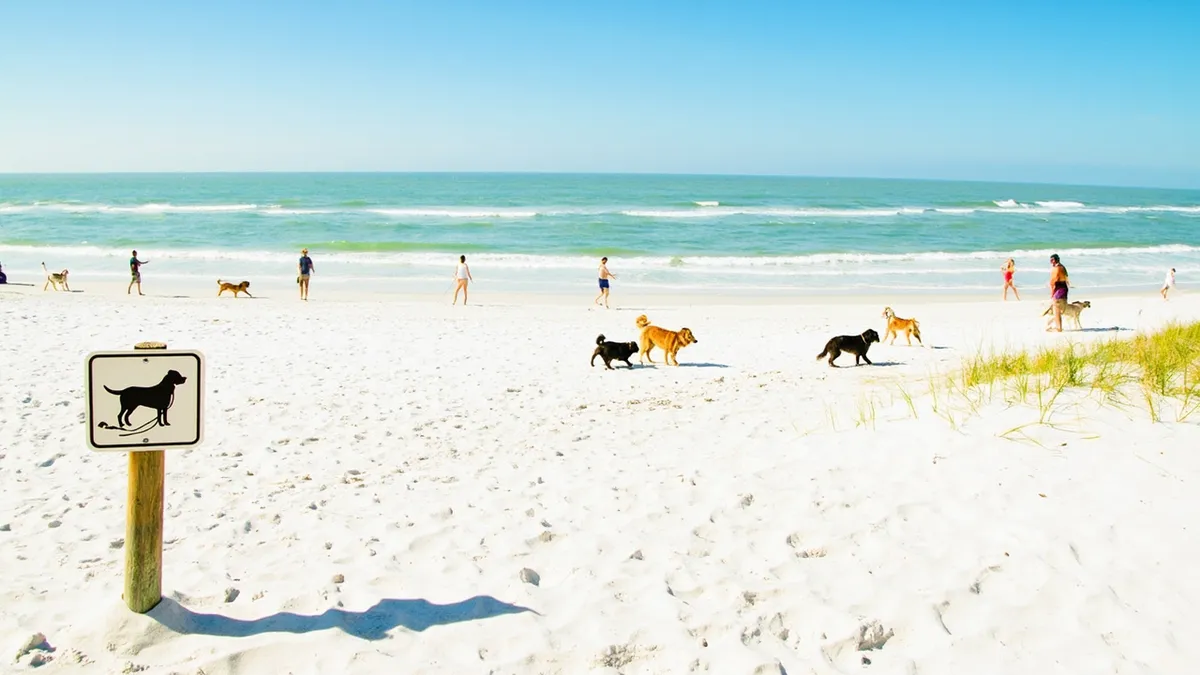
In short, Pensacola’s dog-friendly landscape rewards a little advance scouting: know the designated dogs zones, read the signs, and plan with the pup’s energy and your itinerary in mind. We’ve found that a simple map glance and a quick check of hours makes a big difference in a smooth, enjoyable day at the shore.
H2: Rules, Leash Policies, and Etiquette for Visiting Pensacola Beaches with Dogs
When we head to Pensacola Beach with our dogs, we stay strictly within the designated dog zones and keep a tight leash outside them. It keeps everyone safer and happier, including wildlife. Here’s how we navigate the rules in a practical, friendly way, with a few reminders pulled from Visit Pensacola and local dog-policy resources.
H3: Leash rules, designated zones, and dog behavior expectations
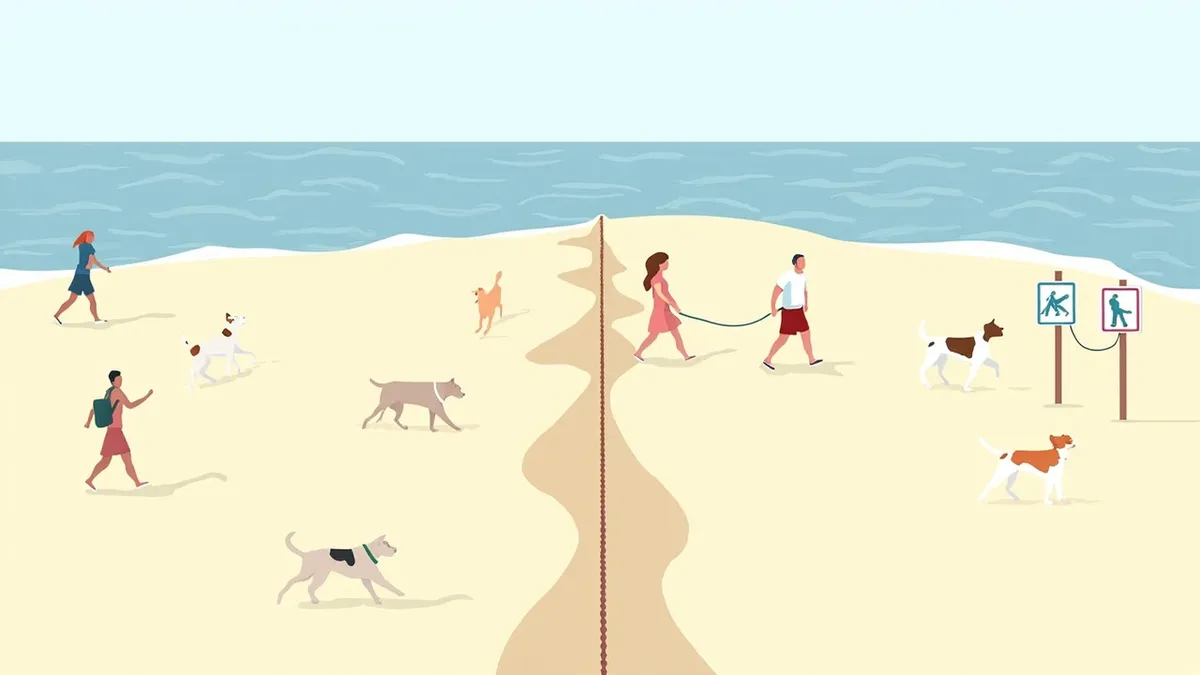
- Dogs are welcome in the two designated dog beaches: Park West at Parking Lot 21.5 and the other zone near Parking Lot 28.5. Outside those zones, all public beach areas are off-limits for pets. We treat the boundaries like a map you can trust—follow the markers and posted signs.
- Within the designated zones, dogs may roam on a leash and swim in the Gulf. That means no off-leash romps anywhere along Pensacola Beach, even if your pup is well-behaved. We keep a tight grip on the leash and our eyes on the dogs at all times.
- Every dog should have proper identification—visible rabies tags and current licenses. We’ve seen closures or fines when a pet isn’t properly tagged, so we double-check before we step onto the sand.
- Space can be finite, especially during peak times. We plan our visits for earlier in the day or weekdays when possible, and we’re mindful of other families sharing the area. If your dog is reactive to crowds or other dogs, we sit it out or choose quieter windows to visit.
- Practical setup helps: Park West area has waste bag stations, disposal receptacles, boundary markers, and even handy wipes. We use these amenities to keep the area clean and welcoming for everyone, including wildlife near the shore.
- A quick rule of thumb: supervise your dog continuously, don’t leave them unattended in vehicles, and be ready to leash up instantly if another beachgoer asks for space.
H3: Beach etiquette and environmental respect
- Pick up after your pet everywhere. Use the designated waste stations and disposal bins—no exceptions. Leaving a mess behind ruins the experience for others and for local wildlife.
- Respect wildlife and other visitors. Keep dogs from approaching nesting birds or sensitive dunes, and avoid chasing wildlife along the shore. If your dog is enthusiastic, redirect with a toy or a short game away from wildlife hotspots.
- Keep noise reasonable. Barking, shouting, or abrupt introductions can stress other families and pets. We model calm behavior and help our dogs settle when crowds form.
- Respect posted restrictions. Temporary signs may limit access or activities, so we always scan the boards at the entrance before stepping onto the beach.
H3: Seasonal restrictions and safety reminders
- Seasonal hours apply to beach access for dogs: May 1 to Oct 31, 7:00 a.m. to sunset; Nov 1 to Apr 30, sunrise to sunset. We plan around these windows to maximize daylight and minimize crowding.
- Always verify current rules on signage when you arrive. Temporary restrictions can pop up for wildlife migrations, events, or beach maintenance.
- Safety basics: bring fresh water and a shade plan, especially in warmer months. A collapsible travel bowl helps keep hydration easy, and a lightweight towel can be handy after a splash. If you notice heat or fatigue in your dog, step back from the water and give them a break.
- If there’s a dog-related concern or an emergency, contact Escambia County Animal Control at (850) 595-0097. We’ve used this line once or twice for a guidance check, and the responders were straightforward and helpful.
Our takeaway: Pensacola’s dog beaches are welcoming, but they’re not a free-for-all. Leashed, supervised dogs in designated zones, paired with courtesy and environmental care, make the day enjoyable for dogs and humans alike. If you stick to the posted rules and signs, your beach day with Fido should be smooth sailing—or at least smooth walking—on the sandy shores.
H2: Activities and Experiences to Enjoy with Your Dog on Pensacola Beaches
Pensacola’s coastline isn’t just for lounging; it’s a playground for active dogs and curious humans. In our experience, the Gulf Islands National Seashore section of Pensacola Beach and Perdido Key offers wide-open spaces that make it easy to pair exercise with exploration. The area is known for its wildlife-rich marshes and sugar-white sands, which means more scenery and more chances to spot birds, dolphins, and shore life from a respectful distance. We’ve found that self-guided options like Walk, Ride, and Paddle help tailor a day to your dog’s energy level, whether you’re chasing a quick stroll or a longer coastal outing. A quick note: the Pensacola Bay Area features a variety of pet-friendly spaces, including map-based listings for area dog parks, which can be handy when planning a day that mixes beach time with a little extra play.
H3: Walking routes and coastal trails suitable for dogs
We love starting with a mellow coastal loop that blends beach time with marsh-edge trails. Pensacola’s protected seashore offers opportunities for short hikes and bike-friendly routes that stay mostly off the busy roadways, so you can pace the day to your dog’s stamina. The Walk, Ride, and Paddle concept is perfect here—pick a shoreline segment, then add a shallow-water break or a dune-side stroll as the afternoon heat settles. Bring a collapsible bowl and a pair of towels for quick paw-dryings after a splash. Plan for shade breaks every 20–30 minutes and keep a small cooler with fresh water to keep everyone hydrated. If your dog enjoys a focused walk, target a 2–4 mile stretch along gentle dunes and salt marsh edges, then pivot to a nearby, quieter stretch for rest or a snack. We’ve found these routes strike a good balance between exercise and exploration without overstressing your pup.
H3: Water activities: kayaking and shallow-water fun with dogs
Calm days offer ideal conditions for dog-friendly water play without getting overwhelmed. We’ve had success with shallow-water sessions that let dogs paddle close to the shore, followed by a dry-off on a warm towel. If you’re into kayaking, start with a short, protected area and keep your dog close to shore—remember, calm water reduces stress for first-timers. A lightweight dog life jacket is worth considering, especially for dogs new to water or longer sessions. Pack a few quick-dry towels and a waterproof bag for toys or treats, and keep sessions to 20–40 minutes depending on your dog’s comfort. In Pensacola, there are self-guided coastal experiences that blend paddling with beach-time breaks, so you can alternate between gliding along the water and wandering along the shore. The goal is steady movement, short rests, and lots of praise as your pup adjusts to the rhythm of sea air and waves.
H3: Wildlife viewing tips and safety for dogs
Wildlife habitats along Pensacola’s coast are plentiful, from salt marshes to dune ecosystems. When you’re out, observe from a respectful distance and use a map to plan routes that minimize disruption to birds and sea life. Keeping dogs on gentle leashes in wildlife-rich zones protects both your pup and the local ecosystem. We try to time wildlife viewing for dawn or late afternoon when animals are most active, but your mileage may vary. Always prioritize environmental etiquette—leave only footprints behind and pack out what you bring in. If you encounter crowds or crowded beaches, opt for quieter shorelines or inland trails until you’re confident your dog remains calm and responsive. This balanced approach helps you enjoy the natural beauty of the Gulf Islands National Seashore while maintaining a safe, enjoyable experience for your dog.
H2: Planning Your Day: Maps, Parking, and Practical Resources
We’ve learned that a smooth day with the dog hinges on solid planning. Pensacola Beach’s dog-friendly zones live within clear map boundaries, and a quick head start with official resources saves time, stress, and a lot of sniffing around. Here’s how we map out a practical itinerary, using official maps, smart parking choices, and a simple packing plan that keeps tails wagging without the chaos.
H3: Finding dog-friendly zones with maps and apps
We always kick off with Visit Pensacola Beach’s official map and the “Things To Do: Dog Beach” resource. The map marks the central Park West zone near Parking Lot 21.5 and the east zone near Parking Lot 28.5. On our reference map, you’ll see labels like 21 E (west) and 28 B (east). Saving these points in Google Maps or Apple Maps really streamlines the day—once you hit the park, the boundary markers and posted signs guide you to the designated leash areas. We also keep an eye out for the walkovers that connect Lot 21.5 and Lot 28.5 to the beachfront; those walkovers are key when you’re managing a leash and a water bowl, especially with excited dogs in mid-afternoon heat. In practice, having two reliable anchors on your phone—one for Park West and one for the eastern zone—lets you hop zones without backtracking. If you’re new to the area, we recommend a quick “pin and go” approach: drop pins for Lot 21.5 and Lot 28.5, then follow the official signs and boundary markers once you arrive.
H3: Parking tips and access points around Pensacola Beach
Parking strategy matters on busy beach days. Park West—the central dog beach—offers moderate parking near Lot 21.5, with a walkover straight to the shoreline. The second option sits near Lot 28.5, at the east end past Portofino Island Resort, giving you a different vibe and scenery without a long trek. Signs identify the boundaries for each dog zone, and waste bag stations plus disposal receptacles are placed at both locations for quick cleanup. Plan for a short stroll from the lot to the water if you’ve got an older dog or a fussy puppy. Pro tip: arrive early in peak season to snag a closer spot; late morning and early afternoon crowds can push parking farther from the water’s edge. Parking hours align with seasonal park hours: May 1–October 31 open 7:00 am to sunset, and November 1–April 30 run from sunrise to sunset. If you’re trying to fit both zones in one day, start at Park West, then drive east to Lot 28.5 after a mid-day break. Keep an eye on signage and leash rules as you switch zones—you’ll notice that these are leash-restricted spaces even when you’re in a designated dog beach area.
H3: Packing checklist and a sample day-trip itinerary
Packing list (essentials we never skip):
- Leash, collar with visible tags, and a backup leash
- Plenty of fresh water, plus a collapsible bowl
- Waste bags and a small wipes container for quick paws and fur checks
- Portable shade (umbrella or pop-up, plus a light towel)
- Sunscreen for humans; consider dog-safe shade and a cooling mat on hot days
- A fully charged phone with offline map access, plus a small portable charger
- Quick snacks for you and treats for your dog to keep behavior calm during transitions
Sample day-trip itinerary:
- 8:30–9:00 am: Arrive Park West, Lot 21.5. Set up near the boundary marker, leash on, water refilled. Brief leash/behavior reset before heading into the zone.
- 9:30–11:30 am: Beach time in the central dog zone. Swim breaks for confident swimmers, short line breaks for cooling down.
- 11:30 am–12:30 pm: Shade break and snack. Use the walkover to head back to the car and refresh water and shade.
- 1:00–2:00 pm: Drive to Lot 28.5 (east zone). Walkover access to the second dog-friendly zone.
- 2:00–4:00 pm: Second round of sea breeze exploration, boundary checks, and play. Gather belongings, ensure proper waste disposal, and start heading home before crowds peak.
Emerging travelers should pace the day to avoid crowd surges and plan for a quick return if either zone feels crowded. Your mileage may vary, but with two fixed anchors, a simple packing checklist, and a clear route map, you’ll get more quality beach time with your pup and less guesswork.
H2: Extend Your Stay: Dog-Friendly Lodging, Dining, and Nearby Towns
Planning an extended coastal escape with our dogs means more than finding a single hotel room. We want stays that feel like a home base, good outdoor spaces, and nearby towns that still welcome paws after a long beach day. In our experience, Pensacola Beach has options that mix affordability with comfort, plus nearby communities that add value to a multi-day itinerary. We’ve pulled practical details from popular booking platforms to help you map out a longer visit without the guesswork.
H3: Finding dog-friendly accommodations near Pensacola Beach
When we search for stays, we filter for “pet-friendly” across major platforms and then read the House Rules carefully. BringFido’s listings for Pensacola Beach are a good starting point; they compile hotels that explicitly welcome dogs and note any fees or weight limits. For Vrbo, remember that pet policies are determined by each individual owner, so you’ll want to read the listing’s rules and contact the host if you’re unsure about fees or restrictions. This is not a one-size-fits-all situation, so a quick back-and-forth with the host can save headaches later.
On the hotel side, Expedia often surfaces pet-friendly options with current guest sentiment. For Pensacola Beach, their searches show pet-friendly hotels starting around $165 per night, though actual rates vary by season and demand. A reliable example you’ll commonly see is the Hampton Inn Pensacola Beach, which frequently earns around an 8.4/10 rating on Expedia. If you’re flexible with dates, you can often lock in more favorable rates by booking a few weeks out or choosing non-peak days.
What this means for you: set a realistic max pet fee, confirm whether there’s a weight limit, and verify whether any areas (like certain lounges or breakfast spaces) are off-limits to dogs. Your mileage may vary, especially if you travel with multiple dogs or larger breeds. We’ve found that reading the “House Rules” or listing notes before booking prevents surprises and helps you plan an easier arrival with your dog.
H3: Dining and public spaces: dog policies and tips
Dining with a dog in Pensacola Beach-friendly spots usually happens outdoors, but policies can differ by venue. We recommend calling ahead or checking the establishment’s posted pet policy before showing up with a leash and a wagging tail. When you’re out and about, carry collapsible bowls and a small amount of water—public spaces get hot, and hydration helps keep dogs calm in busy areas. Leash guidance remains important outside designated zones, and always practice Leave No Trace to keep beaches welcoming for everyone. If your dog is anxious in crowds, consider timing outdoor meals for early mornings or late afternoons when beaches and promenades are quieter. By sticking to outdoor seating and following posted rules, you’ll reduce friction and make the experience smoother for you and your dog.
H3: Nearby dog-friendly coastal towns to add to your itinerary
Beyond Pensacola Beach, nearby towns like Gulf Breeze and Navarre Beach expand your options for dog-friendly exploration. Gulf Breeze offers additional public spaces and beaches where dogs can enjoy time with you outside the main Pensacola corridor, while Navarre Beach extends your coastal day trips with quieter shorelines and local parks. These areas tend to have flexible lodging choices as well, which can help you stitch together a multi-day route that balances beach days with family-friendly activities. If you’re planning around a dog’s routines, build in rest days between long walks and sightseeing. This won’t work for everyone, but for many pups, a slower pace with predictable meals and naps can make a longer trip far more enjoyable.
Related Articles
- Dog friendly hotels in Morro Bay: A practical guide for traveling with your dog
- Expedia dog friendly hotels: The ultimate guide to booking pet-friendly stays
- Mammoth dog friendly hotels: where to stay with your dog in Mammoth Lakes, CA
- Valdosta dog friendly hotels: Where to stay with your dog and avoid surprise fees